Boosting Performance via Systematic Digital Strategies
Programmatic SEO is one design template, thousands of pages, targeted at the long tail. They're not rivals, they're teammates. Most strong websites use editorial content for their money keywords and programmatic pages to blanket the long tail underneath.programmatic SEO This isn't theory. A few of the greatest websites on the web are largely programmatic: ranks for limitless "Connect [App A] with [App B] searches, built from its app directory.
Every one of these sits on a really beneficial dataset. The pages aren't cushioning. They address a specific question with specific, hard-to-fake information. Every programmatic SEO job boils down to four pieces. Miss one and the entire thing wobbles. You require a repeatable search pattern with a fixed head and swappable modifiers.
Confirm that individuals in fact search these mixes before you construct, because a pattern nobody questions produces thousands of pages no one desires. Your data has to be distinct or uncommonly well organised, because that's what makes each page worth existing.
If your dataset is something a competitor can copy in an afternoon, your pages have no defensible edge. One template, crafted to be really handy when occupied. It requires vibrant headings, special introduction text per page, the data laid out clearly, and structured markup. The trap here is design templates so rigid that every page reads identically other than for one swapped word.
Thousands of pages are useless if Google can't find them. You require automated internal linking, related-page modules, hub pages, and clean sitemaps so crawlers can actually reach the entire set.
Will AI Transform Sustainable Reach?
If the long tail is dead, stop now. Put together tidy, structured, genuinely beneficial data. This is 80% of the work. Make a single page so great you 'd more than happy to release it by itself, then systematize it. Release 20 to 50 pages, not 5,000. Test whether they index and rank.
Screen which pages rank and which remain unnoticeable, then enhance or cut the dead weight. A staged rollout lets you catch thin-content problems on 30 pages instead of learning about them across 5,000 after a ranking drop.
A rank tracker like FreeSERP lets you monitor rankings throughout the entire set at as soon as, so you can see which templates and modifiers are pulling their weight and which combinations produced dead pages worth pruning. When you're running programmatic pages, that bulk visibility isn't a nice-to-have, it's how you keep the project healthy.
In March 2024, Google rolled out a policy. It targets pages mass-produced mainly to control rankings, providing little distinct worth, and here's the crucial information: it applies regardless of whether those pages were made by AI, by automation, or by human beings.
If each page brings real, location-specific information a searcher genuinely wants, it passes. Special information per page is the whole difference between programmatic SEO and spam.
Securing Long-Term Search Rankings via Automation
When everyone else ships thin AI filler, a programmatic set developed on genuine, structured data sticks out more than ever, and it's far much easier for AI answer engines to cite too, which is where the GEO upside lives. You do not need a business stack. A normal setup consists of an information source (spreadsheets, a database, or an API), a CMS or website structure that supports templating (WordPress with the right setup, Webflow CMS,, or comparable), a keyword tool to validate demand, and a rank tracker to measure results across the full page set.
Some jobs run 50 pages, others run 500,000. What matters is that a genuine, repeatable search pattern exists and each page earns its location with special value. A small website with one truly beneficial dataset can out-rank far bigger rivals on the long tail.
Build your pattern, confirm the demand, track the whole set with FreeSERP, and cut anything thin before Google does it for you. Do that, and you get the scale without the charge.
The excellent news is that increasing natural traffic doesn't require a huge budget plan or a group of SEO specialists. In this guide, we'll stroll you through 13 proven tips (that I've evaluated myself) to increase natural traffic to your site, from the foundational steps the majority of individuals avoid to the techniques that are winning in search right now.
When someone types a question into Google and clicks an outcome that isn't a paid ad, that click counts as natural traffic.
Will AI Transform Search Reach?
Here's why: paid traffic stops the minute you stop paying. Organic traffic, when built correctly, keeps streaming. A well-optimized page can drive consistent visitors for months or perhaps years after it's released. Driving natural traffic to your website depends mainly on SEO, a set of methods that assist your pages rank greater in search results page.
These 13 techniques are bought to develop on each other. Before you develop brand-new material or go after brand-new keywords, discover out what's already holding your website back.
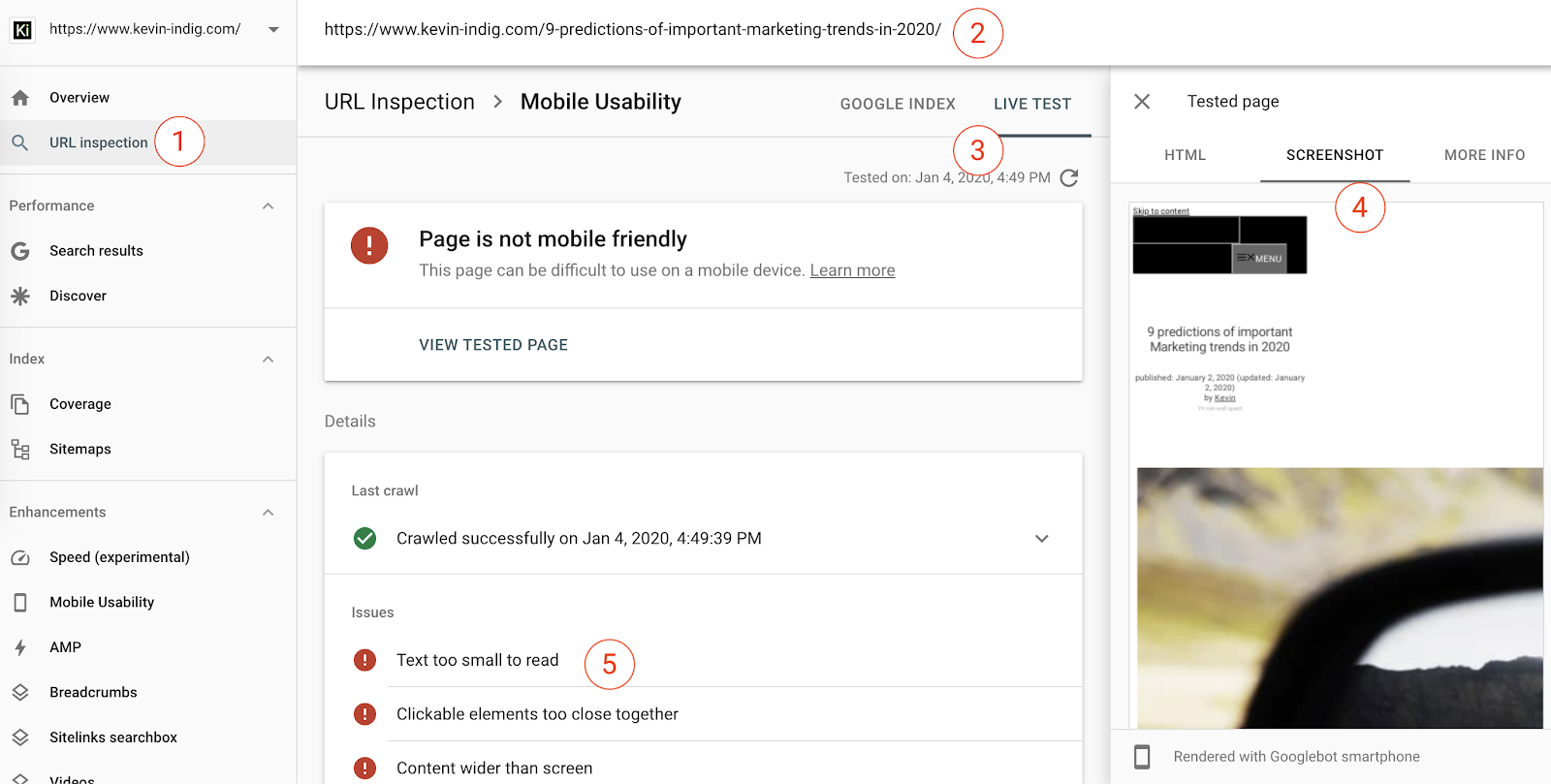
Typical problems an audit discovers consist of broken links, missing out on meta descriptions, slow page load speeds, duplicate content, and pages that are challenging for search engines to crawl and index. Fixing these problems first implies every other technique on this list will work much better.
Traditional vs Programmatic SEO Methods
For a detailed walkthrough, check out our guide on how to do an SEO audit in WordPress. Keywords are the words and expressions your audience types into search engines when searching for material like yours. Selecting the ideal ones is the difference between material that ranks and content that nobody discovers.