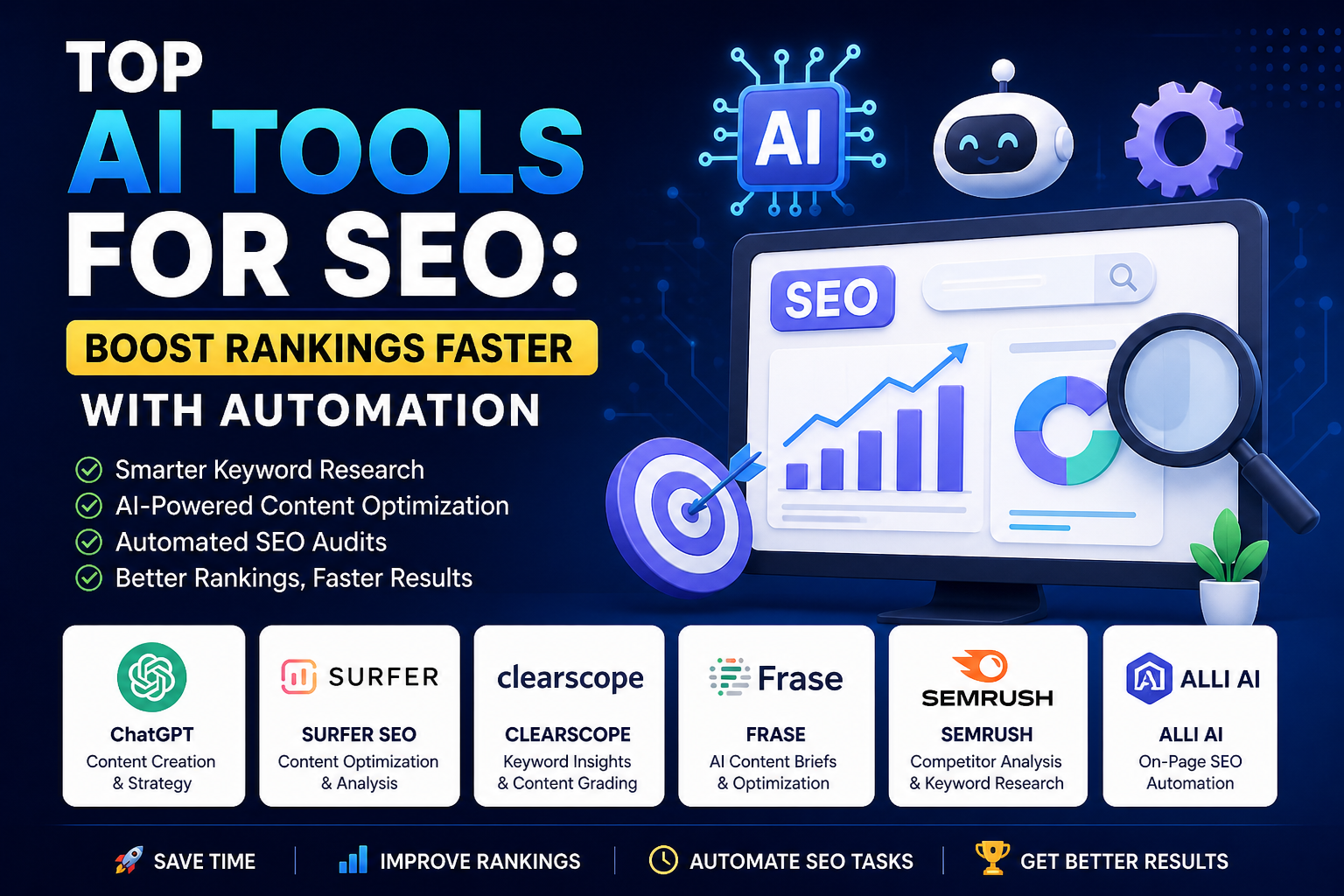
Manual Versus AI SEO Frameworks in 2026

What worked in 2024 might underperform today, making versatility a core proficiency for content groups. High-quality content and site efficiency metrics heavily affect rankings, however knowing which particular elements to optimize makes the distinction in between scattered efforts and strategic wins.
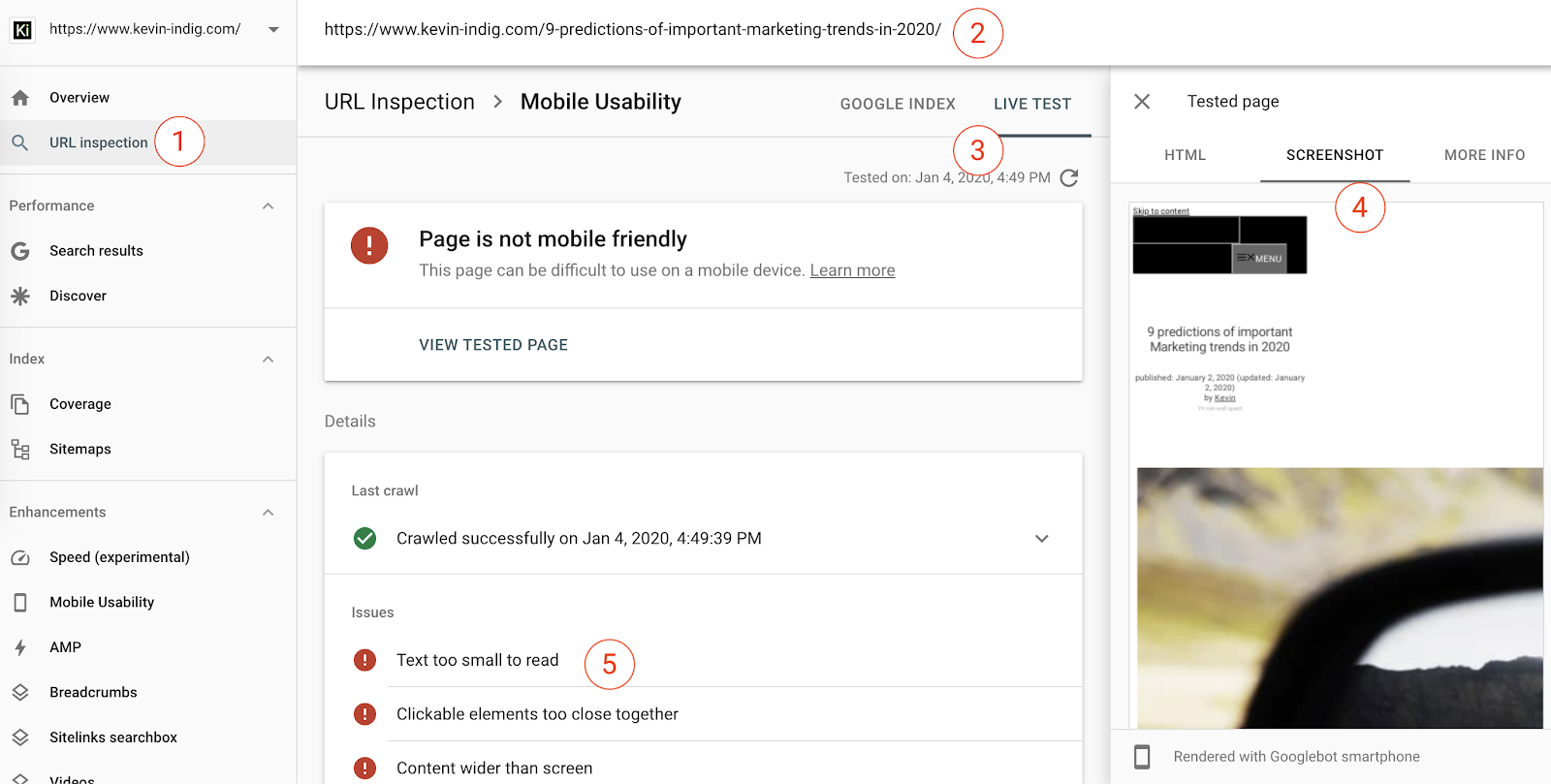
Thin material with surface-level insights gets buried, while in-depth guides that address associated concerns beyond the preliminary inquiry gain presence. Rehashing existing content without adding new viewpoints or information offers little value. With mobile-first indexing, search engines assess your site mainly through its mobile experience.
A desktop-optimized site that stops working on mobile will have a hard time regardless of content quality. Every second of delay increases bounce rates and signals bad user experience to search algorithms.
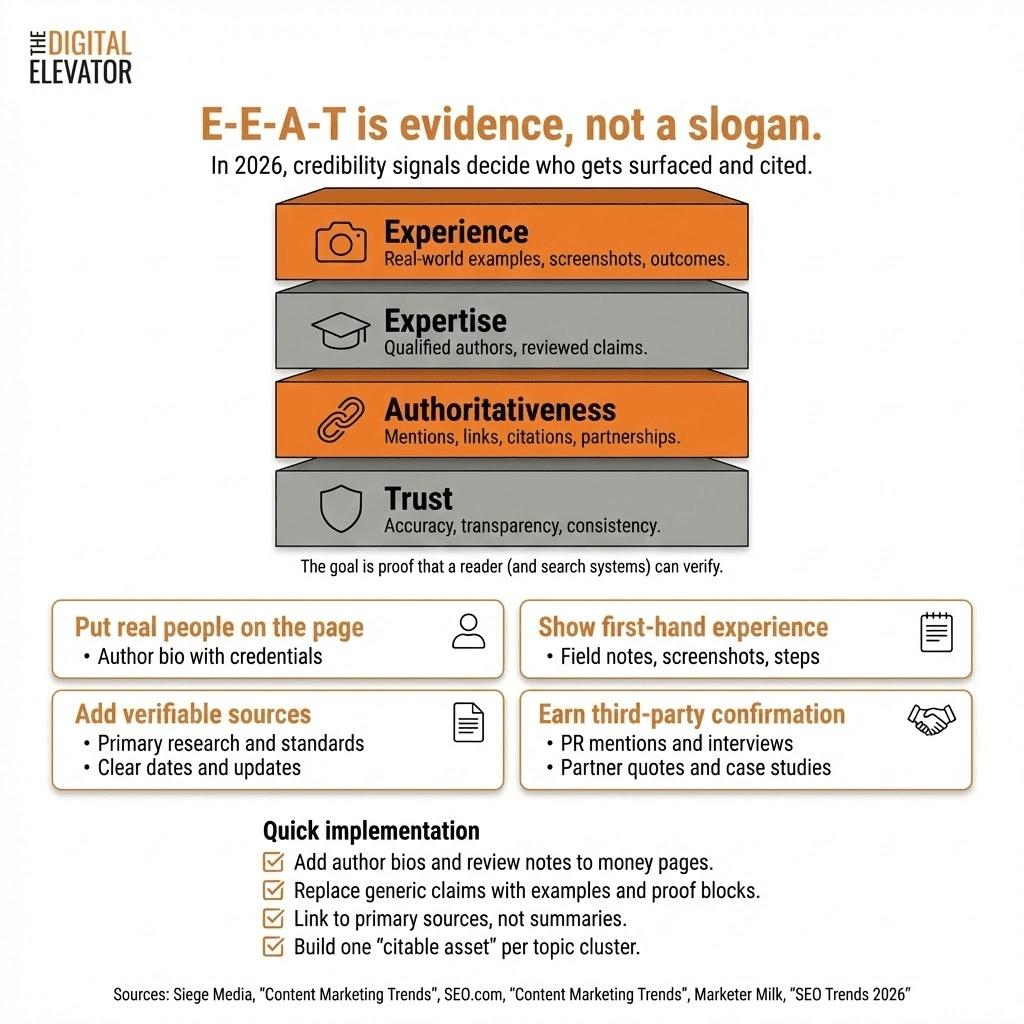
For SaaS material, this indicates showing industry knowledge through detailed case studies, pointing out trusted sources, and showcasing author qualifications. Search engines try to find signals that your content comes from educated sources, not generic content mills. includes semantic SEO practices that help algorithms understand your content context. Usage structured information markup, create clear topical hierarchies, and write for natural language questions.
Audit your existing content to recognize which areas need immediate attention, then construct a roadmap that deals with high-impact enhancements initially. Comprehending how ranking elements progressed assists you designate resources effectively. AI-enhanced metrics complement conventional SEO aspects by adding much deeper material understanding, but standard signals still matter. Element classification Standard SEO method AI-enhanced method Keyword optimization Precise match keywords, density targets Semantic relevance, natural language, intent matching Material evaluation Word count, keyword placement Subject comprehensiveness, entity recognition, context understanding Link analysis Backlink amount, anchor text Link quality, topical authority, relationship networks User signals Click-through rates, time on page Engagement depth, satisfaction indicators, job conclusion Technical aspects Crawlability, indexing, site speed Structured data, schema markup, API ease of access Traditional SEO focused heavily on keyword placement and backlink acquisition.
Why Automated SEO Drives Sustainable Success
This technique worked when algorithms relied mainly on text matching and link counting. AI metrics evaluate content semantically, understanding subjects beyond private keywords. Browse engines now recognize that "car" and "automobile" represent the same concept, and they examine whether your content covers related subtopics comprehensively. This shift rewards comprehensive, well-researched content over keyword-stuffed pages.
Traditional metrics like bounce rate still matter, however AI systems now translate these signals in context. A high bounce rate on a quick-answer page may indicate success, while the exact same metric on a guide suggests failure. in 2026. Overlooking standard SEO basics like appropriate indexing and mobile optimization weakens AI-enhanced content.
Manual Vs Automated Ranking Systems in 2026AI-enhanced ranking benefits content developed for users, then optimized for discoverability. When preparing brand-new content, consider both conventional signals (keywords, links, technical structure) and AI elements (semantic depth, intent fulfillment, engagement quality).
Understanding ranking aspects matters little without execution. SaaS material strategists require practical workflows that translate insights into enhanced search visibility and AI integration. Which ranking factors associate with success?
Manual Vs Automated Ranking Systems in 2026Focus initially on pages with high traffic potential however existing ranking weak points. Update outdated statistics, broaden thin areas, improve page speed, and enhance mobile experience. Use natural language processing tools to examine topic protection and recognize spaces. These tools reveal associated ideas and concerns your content need to deal with to enhance semantic importance and material optimization.
Scaling Digital Visibility By Using Automation
This combination ensures brand-new material carries out well across all ranking dimensions. Consistent content updates and analytics monitoring improve SEO effect gradually. Track rankings, traffic, and engagement weekly. When algorithm updates occur, analyze performance shifts to understand which elements altered in value. Don't blindly follow best practices. Run A/B tests on different optimization approaches to see what works for your particular audience and industry.