The Advantages of Programmatic Search Workflows

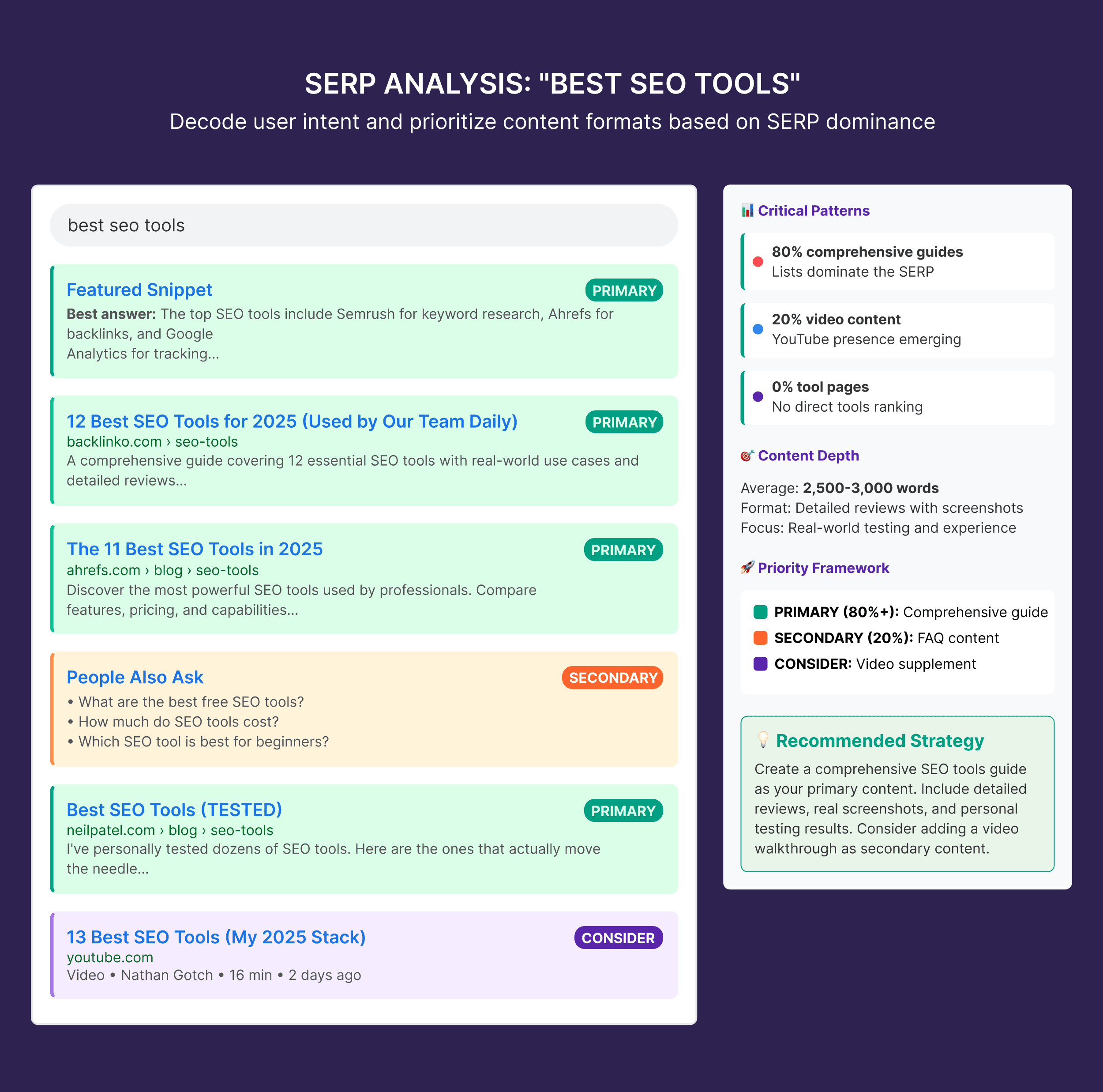
It goes beyond just search volume data and identifies the low-hanging opportunities for quick wins. Search intent is the factor a user is searching. Google's top priority is matching search engine result to what users really desire. If your content doesn't align with that intent, it won't rank, no matter how well-optimized it is.
The user wants to reach a particular website or page (e.g., "AIOSEO login"). Before writing any piece of material, search your target keyword and look at what the leading 5 results are doing.
Match it, and your chances of ranking improve considerably. Matching search intent also improves your click-through rate (CTR) and minimizes your bounce rate, both of which signal to browse engines that your content is serving its purpose. On-page SEO refers to all the optimizations you make directly on a page to assist it rank greater.
Manual Versus Automated Search StrategiesGetting these right on every page is among the most reputable methods to enhance your organic rankings. Here are a couple of high-impact on-page SEO elements to focus on: Include your main keyword near the beginning. Keep it under 60 characters so it doesn't get cut off in search results page.
Building Scalable Content Systems for Growth
Use your main keyword in your H1 and consist of secondary keywords naturally in your H2 and H3 headings. Explain every image with pertinent alt text so online search engine can understand your visuals. Keep URLs short and keyword-rich (e.g., ). AIOSEO's TruSEO Score makes on-page optimization simple for WordPress users. It evaluates your material in real time and offers you a rating along with specific, actionable suggestions for improvement, all straight inside the WordPress editor.