Why Programmatic SEO Ensures Sustainable Rankings in 2026

Algorithm updates present new signals and deprecate old ones. Routinely upgrading your material method based upon efficiency data and industry changes keeps you competitive. What worked in 2024 may underperform today, making adaptability a core proficiency for material teams. Not all ranking factors carry equal weight. High-quality material and website performance metrics heavily influence rankings, however knowing which particular aspects to optimize makes the difference in between scattered efforts and strategic wins.
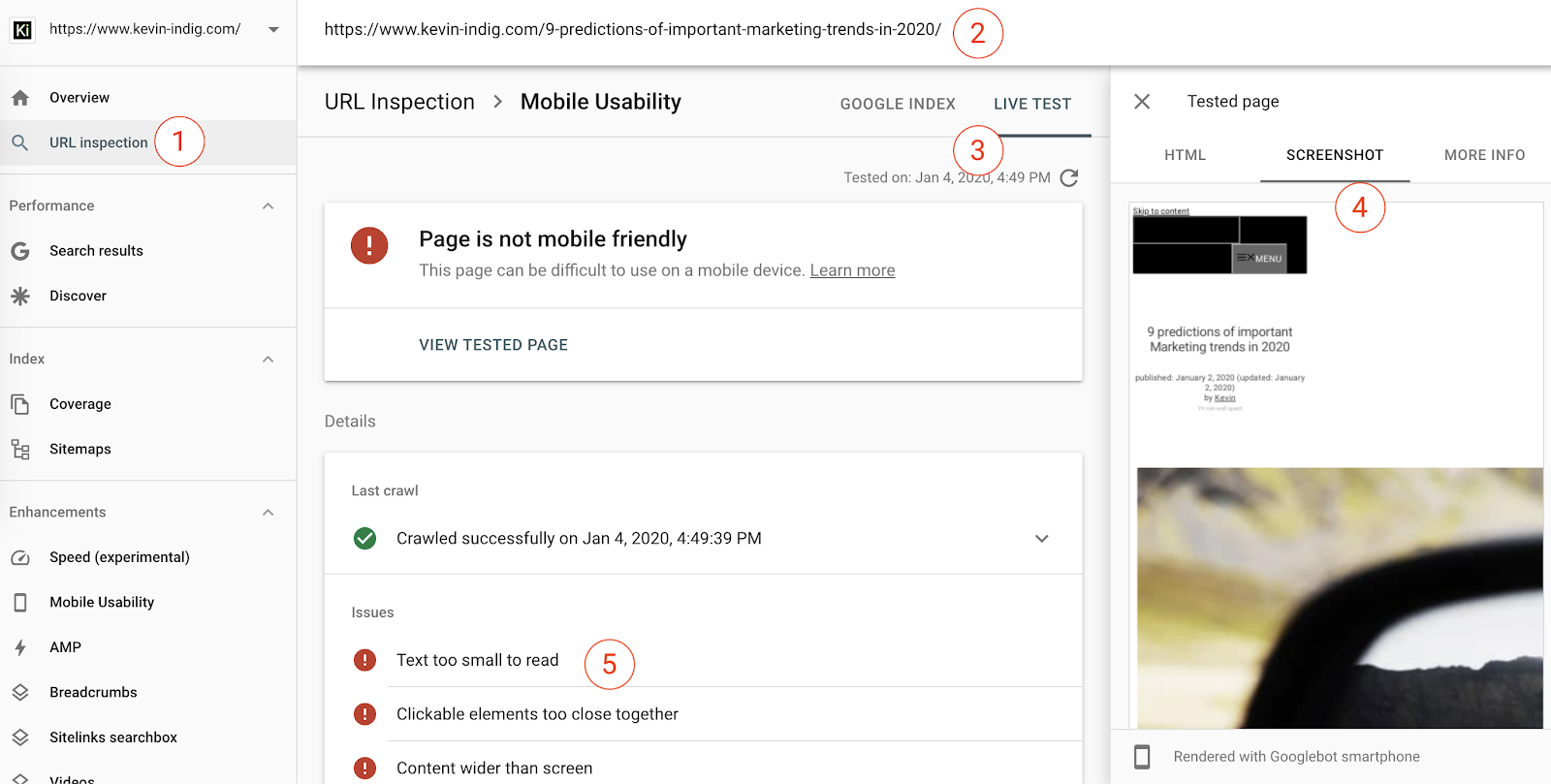
Thin material with surface-level insights gets buried, while in-depth guides that respond to associated concerns beyond the preliminary inquiry gain presence. Rehashing existing content without including new point of views or data offers little value. With mobile-first indexing, search engines evaluate your site mainly through its mobile experience.
A desktop-optimized site that stops working on mobile will struggle regardless of content quality. affects both rankings and user complete satisfaction. Sites that load in under three seconds maintain visitors and rank greater. Enhance images, reduce JavaScript, and utilize browser caching to improve performance. Every second of hold-up increases bounce rates and signals bad user experience to browse algorithms.
For SaaS content, this suggests showing market understanding through comprehensive case studies, pointing out trustworthy sources, and showcasing author credentials. Browse engines look for signals that your content comes from experienced sources, not generic content mills. consists of semantic SEO practices that help algorithms understand your material context. Use structured data markup, develop clear topical hierarchies, and write for natural language queries.
supports all other efforts. Proper indexing, tidy URL structures, XML sitemaps, and tactical internal connecting assistance browse engines crawl and comprehend your website architecture. CMS features for SaaS material teams must consist of integrated technical SEO abilities to streamline optimization. Pro Pointer: Utilize a content management list to guarantee you deal with all vital ranking factors systematically instead of counting on memory. Audit your existing material to recognize which locations need instant attention, then build a roadmap that addresses high-impact improvements. Understanding how ranking aspects evolved assists you assign resources successfully. AI-enhanced metrics enhance standard SEO factors by adding deeper material understanding, however traditional signals still matter. Aspect classification Traditional SEO technique AI-enhanced approach Keyword optimization Exact match keywords, density targets Semantic significance, natural language, intent matching Material evaluation Word count, keyword positioning Subject comprehensiveness, entity acknowledgment, context understanding Link analysis Backlink quantity, anchor text Link quality, topical authority, relationship networks User signals Click-through rates, time on page Engagement depth, satisfaction indicators, job conclusion Technical factors Crawlability, indexing, site speed Structured information, schema markup, API accessibility Standard SEO focused heavily on keyword positioning and backlink acquisition.
Ways to Use Smart Systems for Scale Traffic
This method worked when algorithms relied primarily on text matching and link counting. AI metrics evaluate content semantically, understanding topics beyond individual keywords. Online search engine now recognize that "vehicle" and "car" represent the same concept, and they examine whether your material covers related subtopics adequately. This shift rewards comprehensive, well-researched content over keyword-stuffed pages.
Traditional metrics like bounce rate still matter, however AI systems now translate these signals in context. Disregarding standard SEO principles like correct indexing and mobile optimization weakens AI-enhanced content.
Future-Proofing Your SEO Strategy With Business AutomationAI-enhanced ranking rewards content developed for users, then optimized for discoverability. When planning new material, consider both standard signals (keywords, links, technical structure) and AI elements (semantic depth, intent satisfaction, engagement quality).
Understanding ranking aspects matters little bit without execution. SaaS material strategists need practical workflows that equate insights into improved search visibility and AI combination. Evaluation your top-performing and underperforming pages to identify patterns. Which ranking elements correlate with success? Where do gaps exist? Usage analytics to determine efficiency throughout numerous measurements: natural traffic, engagement metrics, conversion rates, and AI presence.
Focus first on pages with high traffic capacity however current ranking weaknesses. Update dated data, expand thin sections, improve page speed, and enhance mobile experience.
Analysing Smart and Manual SEO Methods
This combination guarantees brand-new material performs well across all ranking measurements. Consistent content updates and analytics monitoring enhance SEO effect in time. Track rankings, traffic, and engagement weekly. When algorithm updates occur, analyze performance shifts to comprehend which factors changed in value. Do not blindly follow best practices. Run A/B tests on various optimization methods to see what works for your particular audience and industry.